About the Galapagos Islands
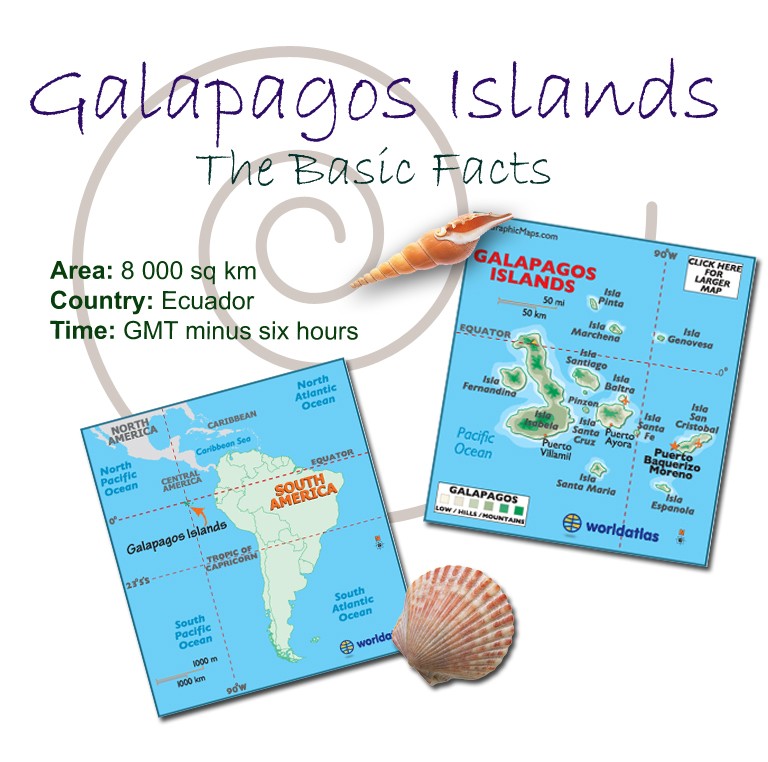
The Galapagos Islands are a group of around 20 rocky islands and 40+ tiny islets located in the Pacific Ocean, with a distance of almost 1000 km away from South America’s coastline (1). It belongs to a country called Ecuador (2), which means ‘equator’.
The
Galapagos Islands underwent formation five million years ago when underwater
volcanoes rose from the ocean floor (3). The largest island is Isabela, which has
five volcanoes that frequently erupt (4). Many of the islands are covered with
barren black lava rock, black cones and ancient volcanic chimneys in much of
the area. The coasts are filled with black beach sand.
 Island Isabella | 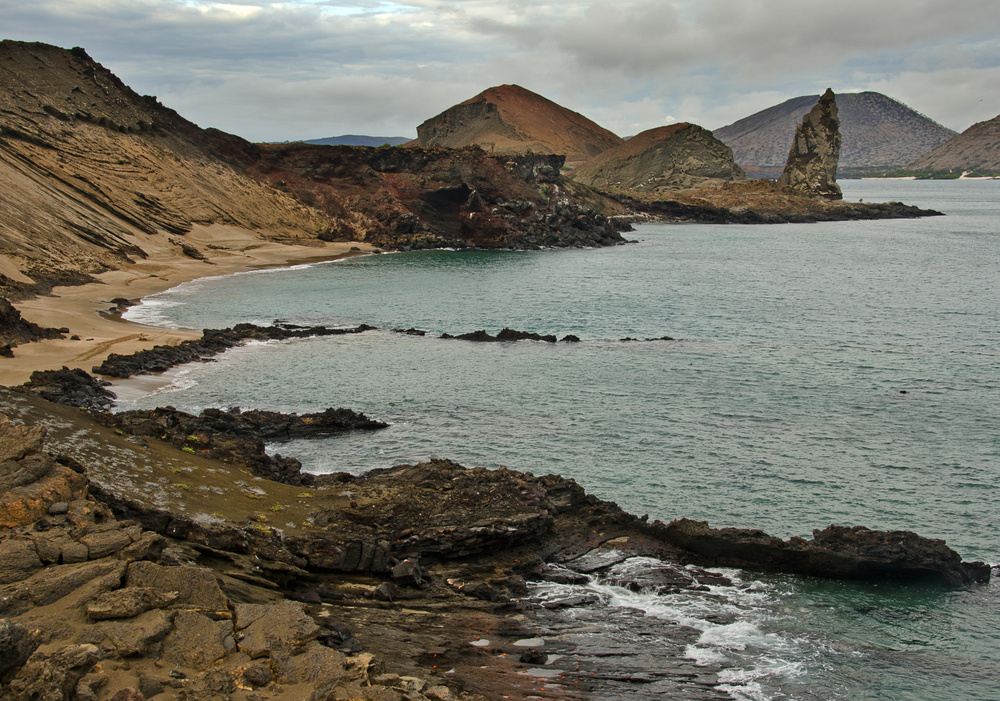 Black sand along the coast of the Galapagos |
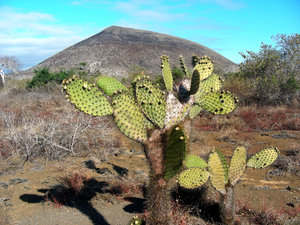
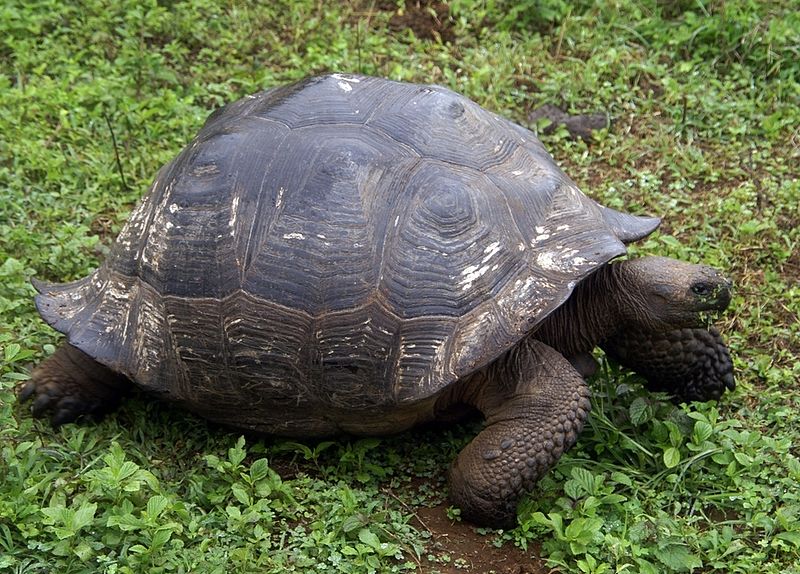
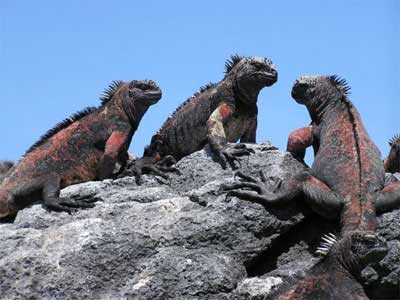
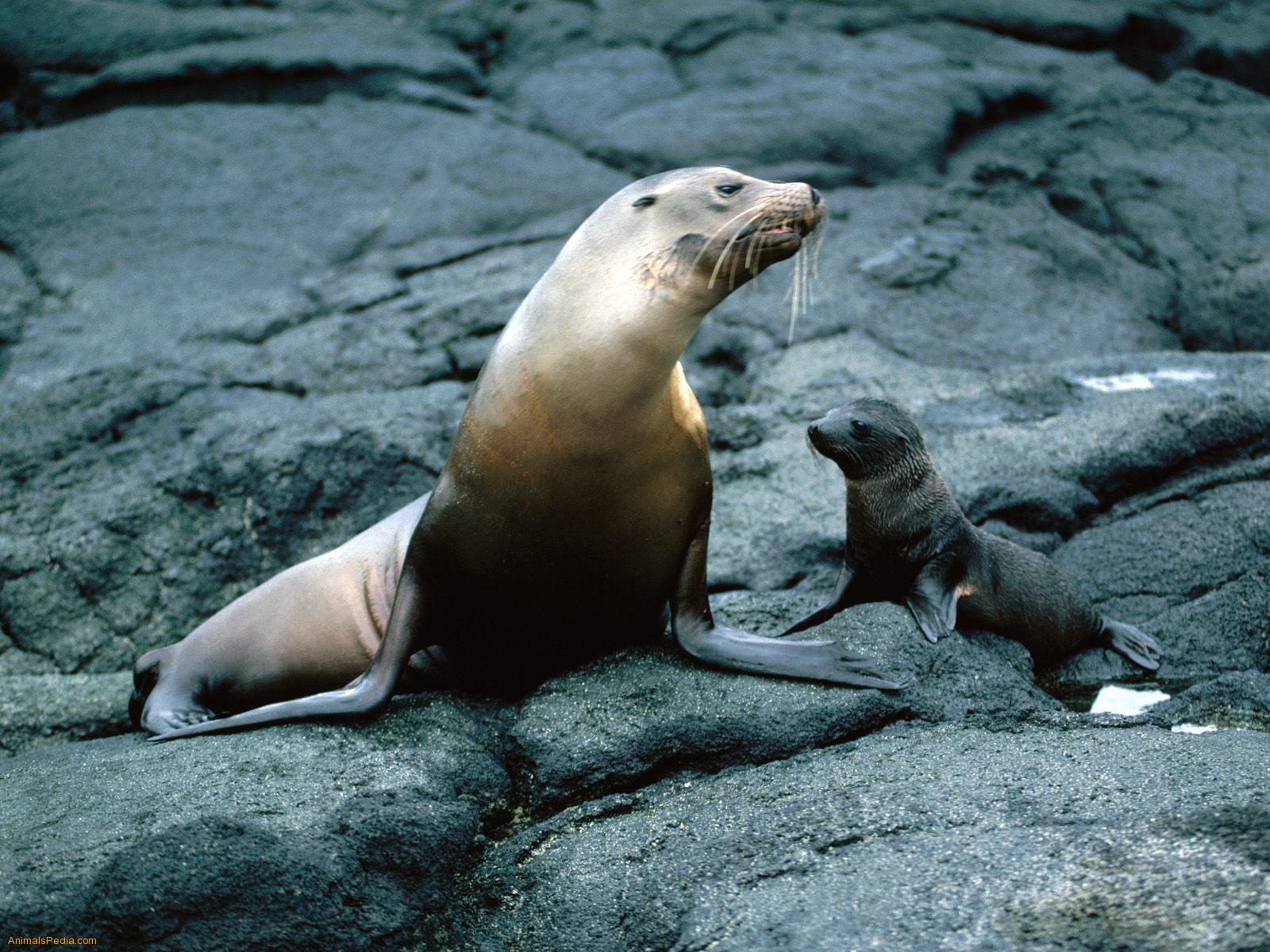
The Galapagos Islands has unique biodiversity and is home to over 9000 plants and animal species (5). These consist of cacti that grow to 11 metres (6), misty forests, marine iguanas, giant tortoises and sea lions (7). Each island has a different subspecies of these organisms. It was these creatures that gave Charles Darwin, the famous scientists who visited the islands in 1835, the idea of evolution (8).
Flora and fauna of the Galapagos: